Two problems that look alike: Slab Leak vs Soil Movement El Centro
The team at El Centro Plumbing Pros exists to solve one problem: getting an Imperial Valley homeowner connected to an emergency plumber quickly, at any hour, and in the language they speak. You know how stressful it is to notice a sudden crack across the tile, a door that sticks, or a hairline fracture running up the drywall above a doorway. These symptoms point to a classic debate here in the valley regarding a slab leak vs soil movement El Centro homes call for two very different experts depending on the cause.
This confusion comes up constantly, and the distinction is more critical than it seems.
- A slab leak is a strict plumbing problem where escaping water erodes the supporting soil, causing the foundation to drop.
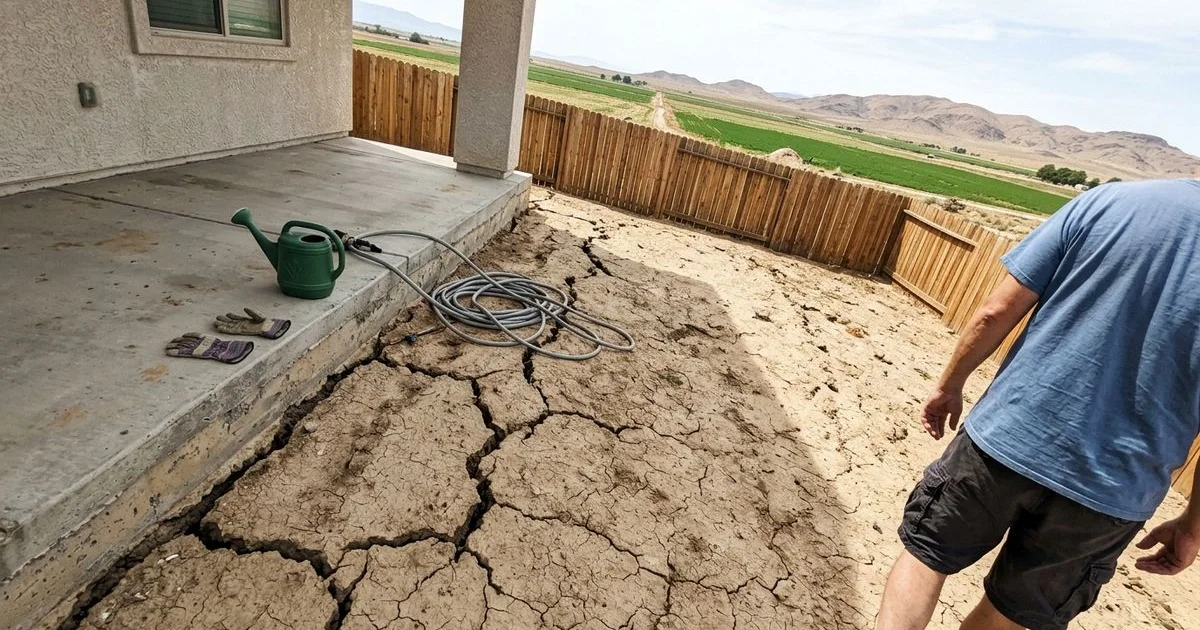
- Soil movement, on the other hand, is a geotechnical issue driven by the ancient Lake Cahuilla clay deposits under our homes.
Our local geotechnical reality means the concrete slab simply rides that ground movement, and the house shows the resulting stress.
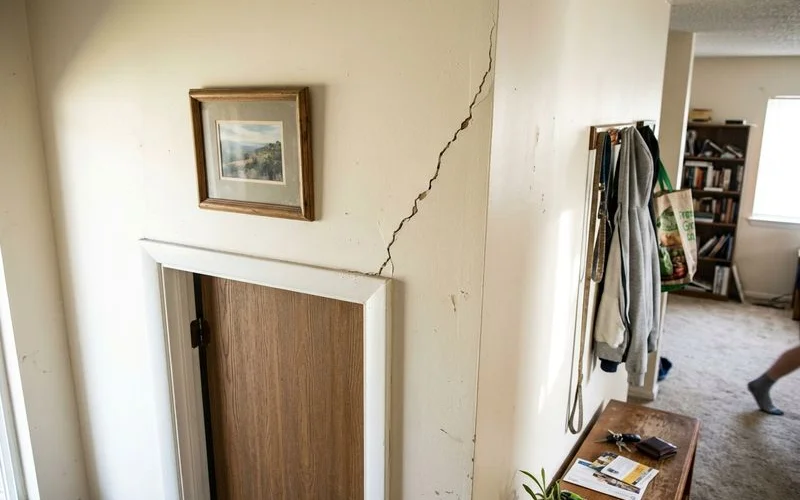
Both issues can severely damage a home over time.
We also find that these two problems frequently cause each other. Geotechnical soil movement flexes the cast-in-place pipes until one fails. Escaping water from an active leak saturates the surrounding clay to force the slab upward.
Our guide will break down the exact signals of each issue, explain the diagnostic tests, and walk you through the proper repair steps.
Signals that point to a leak
Our emergency crews confirm a leak by looking for unexpected water usage, warm spots on the floor, and sudden drops in water pressure. Even a tiny pinhole defect can waste up to 10,000 gallons of water per month. Unexplained utility costs are usually the first red flag.
We track several clear warning signs when assessing a property:
- A warm spot on the floor with no heating source under it, usually indicating a hot water line breach.
- A water bill that jumped by $60 to $120 or more without a change in your household usage.
- Running-water sounds echoing through the walls with every fixture turned off.
- Damp flooring, baseboards, or carpet, often accompanied by a musty mildew smell.
- Consistently damp soil pooling against the foundation during a dry desert season.
- Reduced water pressure alongside any of the above symptoms.
The common thread among all these symptoms is water. Escaping moisture requires immediate attention to protect your foundation.
Our leak detection and slab leak repair service tests for exactly this scenario to see if water is present, missing, or driving up your monthly utility bill. Catching the issue early stops the damage in its tracks. Fast action saves thousands of dollars in secondary structural repairs.
We detail each of these warning signs in our guide on how to tell if you have a slab leak.
Signals that point to soil movement
Our experts define soil movement symptoms as structural changes completely separated from any moisture or plumbing anomalies. The Imperial Valley’s clay-heavy soil swells dramatically during late summer monsoon rains and shrinks during long, dry stretches. Extreme expansion and contraction happens every single year.
We watch for specific physical reactions in the house as the concrete shifts with this cycle:
- Cracks that remain bone dry with no moisture or warm spots anywhere nearby.
- Seasonal behavior that worsens after heavy rain or during the driest stretch, then partially closes again.
- Doors and windows that stick at certain times of the year and free up at others.
- Cracks radiating from door and window corners, forming the classic stress-concentration pattern.
- Exterior cracks in stucco or the foundation matching the interior fractures perfectly.
- No change in water usage or sudden spikes on your utility bill.
Soil movement affects the structure broadly and evenly. A broken pipe tends to affect one isolated area because water is escaping at a single, concentrated point.
Our understanding of this difference helps you avoid paying for the wrong diagnostic tests.
The irrigated-land pattern
Properties near irrigated fields see soil moisture swing much harder than the county average. This extreme swing drives more expansion and contraction in the ground. Because of this, Brawley’s agricultural-adjacent estates produce a disproportionate share of expansive soil foundation cracks and buried-line failures.
The test that settles it
Our testing process settles the debate by isolating the plumbing system and measuring the exact pressure drop to confirm a leak. These straightforward steps convert a stressful guess about a slab leak or settling into a definitive answer. Diagnostic accuracy is the key to a permanent repair.
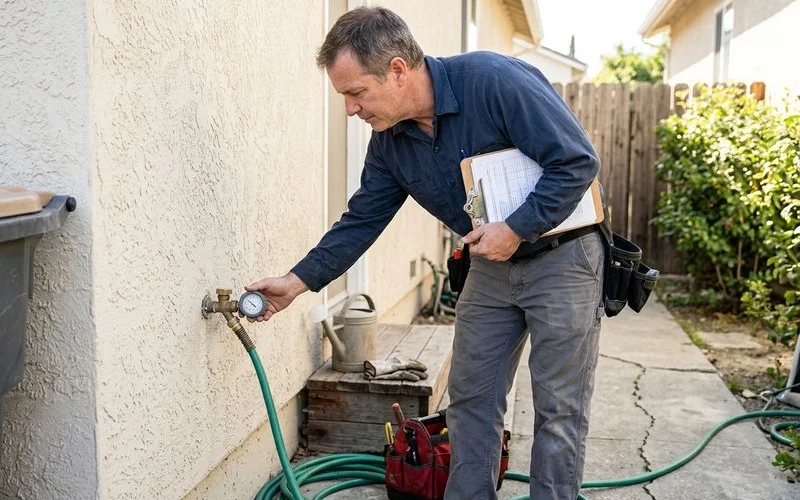
We rely on a proven sequence to pinpoint the exact issue without tearing up your home unnecessarily. Each test serves a specific purpose in ruling out false alarms. Professional equipment takes the guesswork out of the equation.
| Diagnostic Method | How It Works | What It Tells Us |
|---|---|---|
| The Meter Check | You shut off all fixtures and monitor the low-flow indicator on the main utility meter. | Any movement on the dial confirms water is actively leaving the closed plumbing system. |
| The Pressure Test | A plumber isolates the supply lines, applies pressure, and watches for a PSI drop. | A steady gauge means no leak. A dropping gauge confirms a breach and indicates the hole size. |
| Advanced Pinpointing | Specialized FLIR thermal cameras and multi-microphone acoustic sensors scan the concrete. | Detects hidden temperature anomalies and high-frequency water sounds to find the exact escape point. |
Our rule is that a system holding steady pressure during the test is not leaking, full stop. If the gauge stays put, the cracking is a geotechnical issue. You will need to contact a foundation professional rather than a plumber.
We move straight to acoustic listening and thermal imaging when the pressure drops to verify the location. Finding the exact escape point minimizes the required concrete removal. The final step is executing a targeted fix through our leak detection and slab leak repair service.
What to do with the answer
Our professional recommendation is to act immediately on the test results to prevent further foundation deterioration. The diagnostic data points you toward one of three distinct action plans. These specific next steps depend entirely on the final readings:
- If it is a leak: The team focuses on locating and repairing the broken line immediately. Options range from a localized spot repair through the concrete to completely rerouting the affected line overhead through the attic. Rerouting is often highly affordable compared to a full under-slab replacement.
- If it is soil movement: We know that plumbing is not the fix, but smart drainage management often solves the problem. Keep roof runoff downspouts at least three to five feet away from the foundation and aim for consistent soil moisture. Structural cracking beyond minor blemishes warrants a call to a dedicated foundation specialist.
- If it is both: Our first step is always fixing the active water leak. This escaping moisture actively feeds the soil movement, so the flow must stop before the ground can stabilize. Only then can you accurately evaluate the remaining structural damage.
We promise to tell you honestly which category your home falls into. A successful pressure test means you do not have a plumbing problem, which is incredibly useful information. Connecting you to the right solution is the only acceptable outcome.
The plumber will never advise you to pay a plumber to break open your floor looking for an issue that does not exist. Resolving the confusion between a slab leak vs soil movement El Centro homeowners face every day is what we do best. Call our El Centro plumbers today to schedule a comprehensive pressure test and get your home back on solid ground.